Wir verwenden Cookies, um unsere Website optimal für Sie zu gestalten. Mit dem Bestätigen des Buttons "Akzeptieren" stimmen Sie der Verwendung von Cookies zu. Durch Anklicken der untenstehenden Checkboxen können Sie auswählen, welche Cookie-Kategorien Sie zulassen möchten. Durch Klicken auf die Schaltfläche "Mehr anzeigen" erhalten Sie eine Beschreibung jeder Kategorie. Weitere Informationen finden Sie in unserer Datenschutzerklärung.
Notwendige Cookies helfen, eine Website nutzbar zu machen, indem sie grundlegende Funktionen wie die Seitennavigation und den Zugang zu sicheren Bereichen der Website ermöglichen. Ohne diese Cookies kann die Website nicht ordnungsgemäß funktionieren.
Präferenz-Cookies ermöglichen es einer Website, sich Informationen zu merken, die das Verhalten oder Aussehen der Website verändern, wie z.B. Ihre bevorzugte Sprache oder die Region, in der Sie sich befinden.
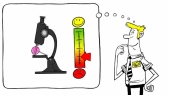
What? In the day, it's always a good idea that the customer is not satisfied. Sometimes they are completely wrong with the service and sometimes they have a special thing. Always when the customer is a bad idea, he is a good and überzeugt and überzeugt. And so with the KUL-Method. This method includes three steps. Tom klärt also zunächst den Sachverhalt, formuliert ihn dann um und löst ihn auf diese Weise. Er als Serviceexperte stellt sich also der Beschwerde. Zunächst klärt er die Situation, indem er zustimmt, dass diese Situation den Kunden ärgert und sich in den Kunden hineinversetzt. So schafft er eine Bindung zu ihm. Tom sagt, »Ja, ich kann Sie gut verstehen. Können Sie mir sagen, wo genau Sie den Dreck auf dem Autositz entdeckt haben?« He tells us that he has to do the problem and tells us that he has everything right understood. Tom said then, This way, the customer, that Tom is concerned about it and sees that Tom has the problem understood. The customer can now be able to understand Tom's situation or change his opinion. In a last step, Tom löst das Problem. He has now enough information to find and had time to find a solution. To solve it, he uses the most objective criteria and facts. Tom says, if I understand them correctly, we should have the right to prevent the Dreck. We should have the right to prevent the Dreck. We should have the right to prevent someone. in ihrem Interesse? Through the KUL-Method is it possible to be careful and to be careful of his problem solution. And that can also be able to. Take a friend or friend and tell him about this method. Spreng him a situation that you had in the past. Your friend or colleague takes the role of the customer and asks you to be in trouble. They show him with the KUL-Method, how they can solve the problem. After and after they can show their Fähigkeiten in reales.