Bib_Obsidian_Tagging_Ansatz

  • 2views

  • 0favorites

Video zum Tagging-Ansatz in Obsidian.

Transkription


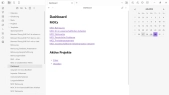
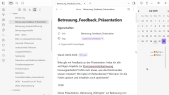
Beim Tag-Ansatz muss man einschränkend sagen, dass es sich eigentlich im Verhältnis zum MOC-basierten oder dem Ordner-basierten Ansatz nicht um einen gleichwertigen Ansatz handelt. Der Tag-Ansatz ist eher eine Ergänzung zu den beiden vorherigen Ansätzen. Zum einen muss man festhalten, Tags strukturieren die Inhalte in Obsidian nicht. Sie können dazu beitragen, eine höhere Granularität zu the Inhalts description to reach. We have a certain flexibility in the Tags. We see it very well in this document, "Feedback, Feedback, Presentation". We have the Tag-Einsatz in the the properties of the properties. Here we see a Tag, which is by Sub-Tags. We see that we are simply a "Sub-Tags" between the Tag and the Sub-Tags. And so we have the opportunity to a topic like Supervision to indizize and through the Sub-Tags a detailed description of the we are dealing with the Supervision. It's just about the relationship between the Supervisor and the Studierenden or Promover. If we compare these tags with the tags, which we can simply use in the document, then they have a bit of a different task. This tag in the document, this tag KI use, that indiziert at a certain point of the document, the previous or the following passage of AI created or with the help of AI at least it was created. And that allows us to differentiate between AI-generated and ideas that are from ourselves or from ourselves. In this case we have the problem, that the Tags for themselves not have a structure. Of course, the Plugin Data View is also a question about our Tags, so that we can see where it is, for example, a AI or where it is about a treatment relationship. We can see here in the Plugin Here is also a typical question from a tag. I'm going to go into the reading lens. There is just this overview. But at the end of the day we have not the same form of concentration on a topic as we have it in the mock-satz. Our goal is to all the same thing to the same as the structure of the structure we have learned. It remains an effective way to the same as a particular one or even two Sets that we have seen before. We should have been with the text. auseinandersetzen und auch mit einigen weiteren Überlegungen beschäftigen. Eine wichtige Überlegung mit Tag betrifft die Art und Weise, wie wir taggen. Ich gehe dazu noch einmal kurz zurück in die Notiz und hier zum Beispiel sieht man schon eine Regel, ja, dass ich im Fall von Tags, die aus mehreren Begrifflichkeiten bestehen, zum Beispiel mir angewöhne, die immer mit einem Unterstrich miteinander zu verbinden. Es braucht auf jeden Fall eine feste Regel für solche Situationen. Auch so Themen wie Singular, Plural, welche Sprache nutze ich etc. Da gibt es so eine Reihe von Punkten, die man berücksichtigen sollte. Achten Sie dazu bitte auch an ein entsprechendes Video. Und dann kommt natürlich noch mal ein ganz großes Thema auf. Das betrifft die Konsistenz des Tagging. Es ist natürlich so, dass man bei einem großen Obsidian Vault häufig vor dem Problem steht, dass man mit der Zeit nicht mehr im Überblick hat, welches Tag habe ich für welchen Sinnzusammenhang eingesetzt. Und so kommt es einfach dazu, dass man mit unterschiedlichen Begriffen dasselbe meint und man bleibt einfach nicht konsistent, wann ich welches Tag wirklich anwende. Auch dafür braucht man bestimmte Regeln. Und jetzt kann man sich da ein Stück weit behelfen, indem man mit einem kontrollierten Vokabular arbeitet. Auch dazu haben wir ein Video. Und abschließend haben wir noch einen Punkt, der nicht mehr wirklich zum Thema Tagging dazugehört. Der wird schon noch eine Verbindungsweise to the idea of the tagging. And we have the situation that we want to some relationships through these tags to initiate. We can also say that we have a certain word here tagged and we want to this word also link. The word is probably in the text already already in the text. We have here for example this word "The Redundance". And if I want to link this word, then I want to go in the description and change it in a link. And now it can just be that I have other documents in which the word "Redundance" comes in without it being a fan of it. And without that I have a I have a link to the link, which I have maybe even more in Tags, I have to keep the connection between both sides. And such situations, where I just have to find out, why I have it here and where not? So, this is very well. I will also have a video on the back links and a consistent in the documentation. Also, we have a video on the back links.


Kategorien: Bibliothek

Mehr Medien in "Bibliothek"